 KORVANI
Veteran PTSD: What You're Feeling Isn't Weakness
By Tim Naylor · Certified Peer Specialist · USMC veteran · Lives with PTSD, in recovery
Veteran PTSD symptoms (anger spikes, hypervigilance, sleep that won't settle, body tension) aren't character flaws. They're your nervous system reading information it never got the chance to process. The trigger framework (Event, Body Signal, Story) makes those signals readable. Peer support gives you the language clinical care alone often doesn't.
It happened a thousand times across twenty years. Different rooms, different people, same body. Heart racing. The words coming out faster and sharper than I wanted them. Stuff broken. Someone I loved on the other side of it.
Then the aftermath. The part nobody warned me about. Whoever I'd yelled at had gone quiet or walked off. The dishes were still on the floor. My body wouldn't come down. Heart still going. Senses still wide open. I'd stay like that for hours.
I called it short-tempered. I called it stress. I called it the rollover catching up. The first time I heard the word hypervigilance, I knew the word had been there the whole time. I just didn't have it.
You're not weak. You're reading information in a language nobody taught you.
What veteran PTSD actually is, in plain language
PTSD is your nervous system staying alert long after the situation that taught it to stay alert. For veterans, that's the body doing what training taught it to do, staying ahead of threat, long after the threat is gone. The veteran PTSD symptoms most of us recognize (anger spikes, sleep that won't settle, hypervigilance, nightmares, feeling far away in your own life) aren't proof you're broken. They're proof the system worked when it needed to. It just hasn't gotten the message that the situation has changed.
Plain version: PTSD is information your body is giving you in a language nobody taught you to read.
There are three layers under every PTSD response. The trigger framework, Event / Body Signal / Story, names them.
The trigger framework: Event, Body Signal, Story
Korvani uses a three-layer framework for understanding any trigger. It works for any kind of mental health response, but it lands especially hard for veterans because most of us were taught to skip straight to the third layer (the story we tell about what's happening) without ever noticing the first two.
Event
The event is what actually happened. The text message. The car backfire. The crowded restaurant. The dish in the sink. The smell of something you haven't smelled in years.
For veterans, the event often isn't dramatic. It's something a civilian would walk past without noticing. Your body picks it up because it learned to pick up signals that matter, and it still doesn't know which signals don't matter anymore.
Body Signal
The body signal is what your nervous system does in response. Heat in the chest. Heart picking up. Breath going shallow. A tightening across the back. A sudden urge to leave the room. The hypervigilance that won't come down for hours afterward.
This is the layer veterans usually skip. We were trained to operate through body signals, not because of them. So when the body fires, we override it and keep going. Then we wonder why we're angry at our spouse twenty minutes later.
The body signal is the information. It's what catches the event before the conscious mind does. Learning to read it isn't soft. It's tactical.
Learning to read your body isn't soft. It's tactical.
Story
The story is the silent sentence your mind tells about what just happened. "He's disrespecting me." "I'm losing control." "Nobody understands." "I'm a bad father." The story is what makes the spike feel personal. It turns biology into accusation.
For veterans, the story is often: "I'm broken." "I should be over this by now." "If they knew what I was thinking right now, they wouldn't want me around."
The story isn't true. It's just the language your stress reaches for when nothing else is available.
What veterans miss about veteran PTSD recognition
Here's what nobody tells you. The hardest part of veteran PTSD isn't the symptoms themselves. It's that you don't have the language for them.
I called my own anger short-tempered for twenty years. I called the nightmares the rollover catching up. I called the hypervigilance after a snap "I just need to relax." I had every word for what I was working with except the right one.
That's the gap this post is trying to close. Not because PTSD is your identity. Because giving the experience the right name takes the shame off the work, and shame is what keeps veterans hiding from help.
Veterans I worked with at Highland Rivers used the same language I'd been using on myself. Short fuse. Stress. Doesn't sleep well. Came back different. Every time I heard those words, I was hearing veteran PTSD symptoms described in the language we'd all been given instead of the language we needed.
The shift isn't dramatic. It's the moment you stop fighting the body's signal and start reading it. The moment you swap "I'm broken" for "this is information." The moment you stop trying to think your way past the spike and start letting the spike tell you what it knows.
How to actually catch the signal
You don't need a perfect framework or a clinical degree. You need three small moves you can do today.
1. Notice the body before the words
When you feel the spike starting, heat, heart, jaw, tightening anywhere, pause for one breath before responding. Not to suppress. Just to acknowledge that the body just gave you data. The pause is what gives you back the time the spike took.
2. Name the layer
Out loud or silently. "Event: my wife asked me about my day." "Body signal: jaw locked, chest hot." "Story: she's accusing me." Once you can name it, you can interrupt it. The 90-second rule for anger is the related principle. The chemistry clears if you don't refuel it.
3. Stay with the after
The post-spike hour is where most veterans drop the ball. The body is still doing it. Heart still going. Senses wide open. This is where movement, grounding, or connection help most. Cold water on the face for thirty seconds. A walk without your phone. Box breathing in the parking lot before you go back inside. The 6 coping tools were built for exactly this layer.
Where to go from here
If this resonated, you don't have to walk it alone.
- The /veterans page is the hub. Every veteran-tagged post and the crisis resources lineup live there.
- The 6 Coping Tools post is the toolkit. Tools that work in real moments, including for veterans specifically.
- The Warning Signs of Anger post covers the body-signal layer in depth, especially for the anger spike pattern.
- The Korvani Guided Wellness Workbook is the structured version. 41 pages, $9, or both for $14.
Peer support is help from someone who has been where you are. It works alongside clinical care, never instead of it. If you're working with a clinician of any kind, VA or private, keep working with them. Peer support fills the space between sessions and in the moments therapy can't reach.
If you're in crisis right now: Veterans Crisis Line, call 988 then press 1, or text 838255. Available 24/7.
You are not broken. You are human. And the body is information.
You are not broken. You are human. And the body is information.
Anger spikes, sleep that won't settle, hypervigilance, nightmares, feeling emotionally far away (dissociation), avoiding crowded or triggering places, body tension that doesn't release. The symptoms vary, but they share one thing. The body is responding to information the conscious mind hasn't caught yet.
No. PTSD doesn't require combat. It requires a nervous system event the body kept after the situation cleared. Service-era accidents, training incidents, the cumulative weight of military life, life events overlaid on service experience. The diagnosis criteria are about what your nervous system did with what happened, not about the magnitude of what happened.
The underlying biology is the same. What's different is the cultural context. The language we were trained in, the things we were taught to suppress, the way we frame strength. Veteran PTSD often goes longer without recognition because veterans are taught to skip the body-signal layer. The trigger framework works the same way; the recognition just takes longer because of the cultural overlay.
No. Peer support works alongside clinical care, never instead of it. If you're working with a therapist, VA clinician, or other provider, keep working with them. Peer support is the daily-life language between sessions. The two together work better than either alone.
The VA National Center for PTSD has the most comprehensive clinical information. The Veterans Crisis Line (988 then press 1, or text 838255) is available 24/7. Boulder Crest Foundation runs post-traumatic growth programs specifically for veterans. The /veterans page has the full resource list.
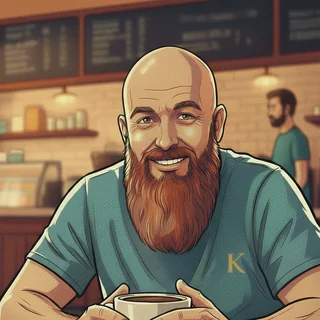
Tim Naylor
Certified Peer Specialist
Writes Korvani from the middle of an ordinary life, married, raising kids, working. Lives with PTSD, anxiety, and depression, and is in recovery. Korvani is peer support for real life. It works alongside clinical care, never instead of it. Read more →
This is peer support, not therapy or medical advice. If you're in crisis right now, please don't wait. Call or text 988, any time, day or night.