 KORVANI
You served. That's enough to be welcome here.
For the veterans quietly in the worst of it, and the spouses, parents, and kids who love them and carry part of it too. PTSD, post-traumatic growth, and tools that work in a real life, from someone who served and lives with it. Marine Corps veteran. In recovery.
Midday, a small apartment in supportive housing for veterans. The Army vet I worked with weekly was in his 50s. I sat on his couch near the window he'd cracked to smoke. Family photos. Boy Scout memorabilia. We worked on his wellness plan, and he described his PTSD symptoms. One after another.
My brain started a quiet checklist. That's me. That's me. That's me too.
I was undiagnosed. I'd told myself I was short-tempered, that everyone has bad days, that the nightmares were just from a rollover years before. I drove an hour to my next appointment piecing it together. Told my wife that night. Resisted two months before getting evaluated.
Whether you've had that moment of recognition or not, this page is for you.
What peer support for veterans is, and what it isn't
Peer support is help from someone who has been where you are. Not a doctor. Not a clinician. Someone with lived experience and the training to walk alongside you. For veterans, that means support that doesn't perform patriotism, doesn't replace your VA care, and doesn't ask you to prove anything before you're allowed to be helped.
I'm a Marine Corps veteran. I live with PTSD, anxiety, and depression. Addiction was part of my story, and I'm in recovery. I'm a suicide attempt survivor. I say it plainly because that's who a lot of this is for, the veterans quietly in the worst of it right now, and the families who love them.
- Peer-language explanations of PTSD, post-traumatic growth, and the daily tools that work in real life
- Content for the people who love veterans, spouses, parents, kids, and friends carrying part of this. There's dedicated caregiver content too.
- An honest line: peer support works alongside clinical care, never instead of it
If you're in crisis right now
- Veterans Crisis Line — Call 988 then press 1. Or text 838255. Or chat at veteranscrisisline.net.
- 988 Suicide and Crisis Lifeline — Call or text 988, any time.
- Crisis Text Line — Text HOME to 741741.
- SAMHSA National Helpline — 1-800-662-HELP (4357). Free, confidential.
Hypervigilance: Why You're Always On Alert (and How to Calm It)
Hypervigilance keeps your alarm stuck on long after the danger passed. Here's why it happens, and 3 peer-tested ways to start calming it.
Read →Post-Traumatic Growth Is Real (But Not the Way the Internet Says)
Post-traumatic growth is real, but not the tidy comeback the internet sells. Here's what growth after trauma actually looks like, from someone living it.
Read →Moral Injury: When the Wound Isn't PTSD
Not every deep wound is PTSD. Moral injury is what happens when what you did, or couldn't stop, breaks something inside. A peer's plain-language guide.
Read →Combat Veteran PTSD: The Triggers Civilian Therapy Doesn't Always See
The PTSD triggers that hit hardest are the ones civilian therapy often misses. A veteran and peer specialist on what actually sets the alarm off.
Read →Caregiver PTSD: What Nobody Tells the Person Holding It Together
Caring for someone with PTSD leaves its own marks. Caregiver PTSD is real. Here's what nobody tells the person holding it together, and what helps.
Read →Veteran PTSD: What You're Feeling Isn't Weakness
Veteran PTSD symptoms — anger spikes, hypervigilance, sleep that won't settle, body tension — aren't character flaws. They're your nervous system reading information it never got the chance to process.
Read →The Trauma Response Workbook
A 60-page peer-support PDF: your alarm system, the four trauma responses, triggers and warning signs, grounding, sleep, steadying routines, and your own plan. Coping and grounding, never reliving. $9, or both for $14.
See the workbook →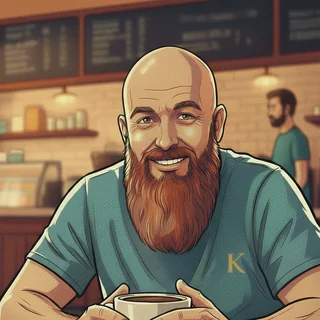
Tim Naylor
Certified Peer Specialist · Marine Corps veteran · In recovery
Writes Korvani from the middle of an ordinary life, married, raising kids, working. Lives with PTSD, anxiety, and depression. Peer support for real life, alongside clinical care, never instead of it. My story →